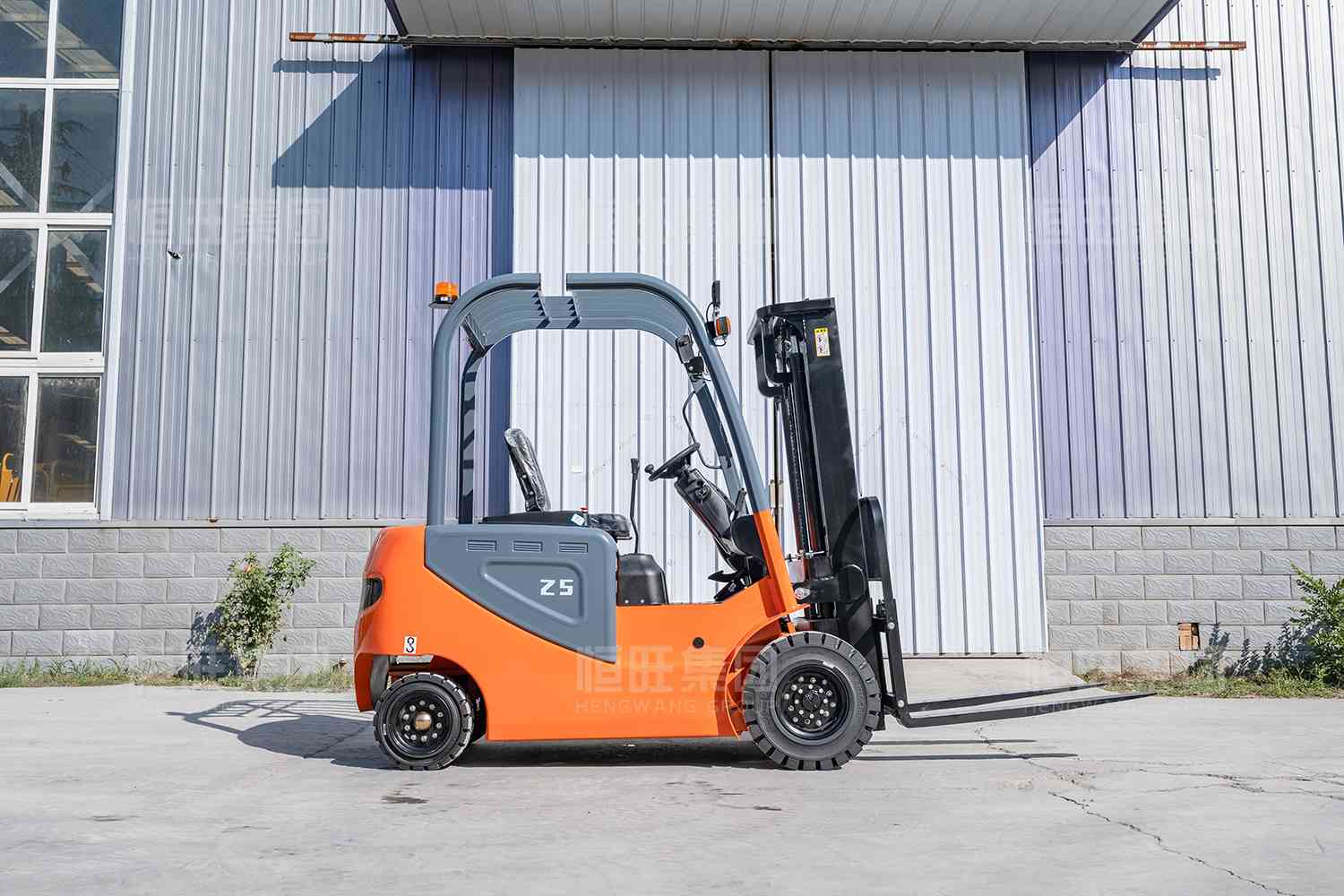
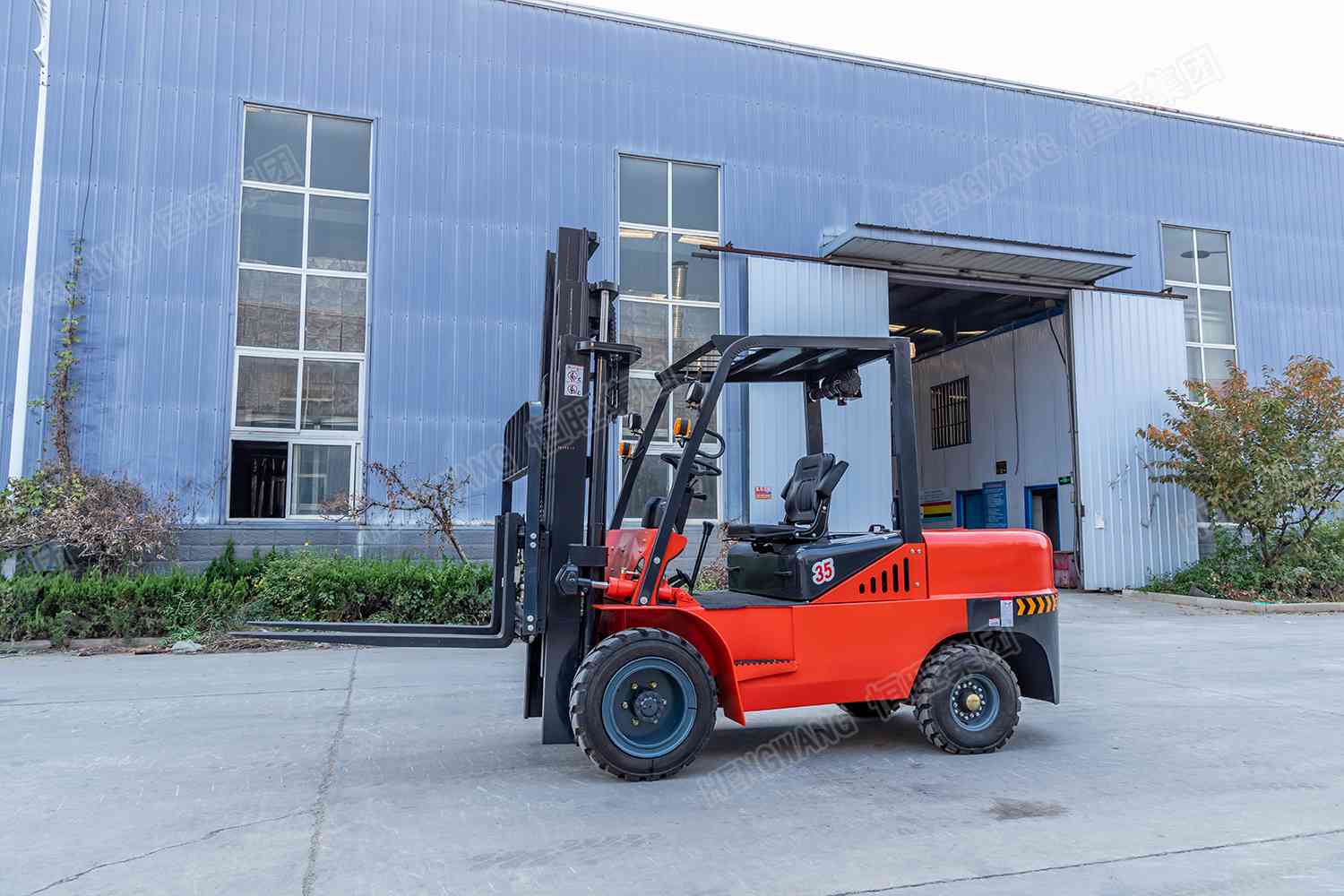
I. Mechanical Design & Maintenance Complexity
Component Simplification
Electric forklifts use motor-driven systems, reducing moving parts by ~40% and lowering daily failure rates. For example, they eliminate clutches and gearboxes—common wear-and-tear components in diesel models.Lubrication Requirements
Diesel forklifts require lubrication of 10+ mechanical parts (e.g., engines, transmissions), while electric models need lubrication for only 5 key joints (e.g., mast bearings), cutting lubricant use by 60%.
II. Energy & Core Component Costs
Fuel/Energy Expenses
For a 3-ton forklift:
Diesel: 40L/hour × 196 CNY/L = 7,840 CNY/day
Electric: 40 kWh/day × 1.2 CNY/kWh = 480 CNY/day
Annual savings reach 14,000 CNY, accumulating to 70,000 CNY over 5 years.
Core Maintenance Costs
Battery Management: High-quality lead-acid batteries last 10,000 hours (matching diesel engine overhaul cycles). Replacement costs (~30,000 CNY) align with diesel engine repairs (28,000–35,000 CNY), but electric batteries allow faster swaps.
Fuel Systems: Diesel forklifts require oil/coolant changes every 500 hours (~3,000–4,000 CNY/year), while electric models need only 1,000–1,500 CNY/year.
III. Environmental Adaptability & Long-Term ROI
Operational Scenarios
Indoor Use: Electric forklifts comply with indoor emission standards (e.g., OSHA), avoiding penalties.
Outdoor Use: Diesel models excel in cold climates (<-10°C) and rugged terrains.
Lifecycle Costs
Though electric forklifts cost 30% more upfront, their 5-year total costs (maintenance + energy) are 22–35% lower. For example, a logistics firm reported 76 fewer annual downtime hours with electric models, boosting productivity.
IV. Decision-Making Guide
| Scenario | Recommended Model | Key Rationale |
|---|---|---|
| High-frequency short-range | Electric | Maximizes energy cost savings |
| Cold/rough outdoor terrain | Diesel | Superior cold-start performance |
| Strict emission regulations | Electric | Avoids fines and compliance risks |
Conclusion
Electric forklifts offer lower maintenance frequency, cleaner energy, and long-term savings, making them ideal for modern warehouses. Enterprises should conduct a 3-year cost simulation (e.g., ROI analysis) to optimize procurement strategies based on workload, environment, and budget.